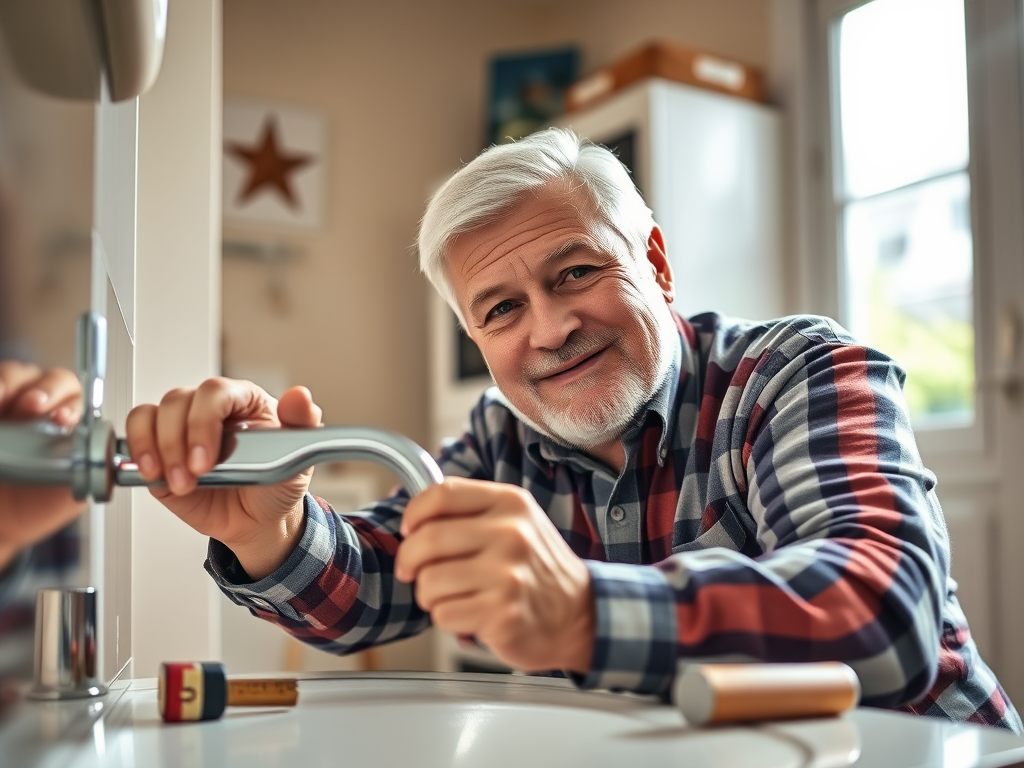
As you get older, knowing how to do simple home repairs is key. It helps you stay independent and saves money. DIY for seniors is more than just fixing things. It’s about taking charge of your home and feeling proud of what you’ve done.
Home repairs might seem scary, but with the right skills, you can handle them. You’ll save money and feel a great sense of accomplishment. This is what DIY for seniors is all about.

Keeping your home safe and comfortable is vital as you age. Learning to do basic repairs means you don’t have to rely on others. You can live life your way.
In this article, we’ll show you 10 essential repairs every senior should know. We’ll cover plumbing, electrical, and more. These skills are crucial for senior home maintenance and DIY for seniors.
Key Takeaways
- Learning basic home repairs can help you maintain your independence as you age
- DIY for seniors can save you money on home repairs and maintenance
- Senior home maintenance is crucial for ensuring your safety and comfort
- Basic home repairs can be easy to learn and perform
- Home repairs can give you a sense of accomplishment and pride in your home

Essential Home Repairs for Senior Independence
Doing home repairs can really boost your senior independence. By fixing small issues yourself, you keep control over your home. This also means you don’t need to rely on others as much.
Why DIY Repairs Matter for Seniors
DIY repairs keep you independent and can save you money. They let you quickly fix common problems. This keeps your home safe and comfy, supporting your independence.
Safety First: Before You Start Any Repair
Home repair safety is key. Always check the task first, wear the right gear, and know how to do it. This way, you can work safely and with confidence.
Basic Tools Every Senior Homeowner Needs
Having the right tools makes DIY repairs easier. Here are some must-haves for seniors:
- Hammer: Great for driving nails and small demolition jobs.
- Screwdriver Set: Essential for putting together furniture and tightening screws.
- Adjustable Wrench: Handy for plumbing and mechanical repairs.
- Measuring Tape: Needed for precise measurements during installations.
Simple Plumbing Home Repairs You Can Master
Handling basic plumbing repairs can save you time and money. You don’t need to be a professional to manage common issues around your home.

Fixing a Dripping Faucet
A dripping faucet is not only annoying but also wastes water. Start by turning off the water supply. Remove the faucet handle and inspect the washers or cartridges.
Replacing these parts can stop the drip and restore your faucet’s functionality.
Unclogging Slow Drains
Slow drains are a common problem that can often be fixed without professional help. Use a plunger to dislodge the clog or try a mixture of baking soda and vinegar as a natural solution.
For stubborn blockages, a plumber’s snake can effectively clear the drain.
Replacing a Toilet Flapper
A faulty toilet flapper can cause toilet maintenance issues, leading to leaks and wasted water. To replace it, drain the tank, remove the old flapper, and install a new one.
This simple fix can improve your toilet’s efficiency and reduce your water bill.
Quick Electrical and Lighting Solutions
Keeping your home well-lit and all electrical components working is key for safety and comfort. With a few simple electrical repairs, you can keep your home safe and comfortable.

Begin with common lighting fixes. Replacing a light switch is easy: just turn off the power, remove the old switch, and put in a new one. Make sure the power is off to avoid accidents.
Outdated or damaged outlets need an outlet replacement for safety and function. Remove the cover, disconnect the wires, and follow the new outlet’s instructions to connect them.
For lamp troubleshooting, start with the bulb. If it’s good, look at the wiring for wear or damage. Tightening or replacing a faulty switch might fix it.
Think about switching to energy-efficient lighting. LED bulbs use less power and last longer. They save you money and help the environment.
| Electrical Repair | Description | When to Call a Professional |
| Replacing a Light Switch | Install a new switch to restore lighting control. | If you encounter complex wiring or flickering lights. |
| Outlet Replacement | Swap old outlets for newer, safer models. | When outlets are sparking or have a burning smell. |
| Lamp Troubleshooting | Fix issues with lamp functionality. | If the lamp has internal wiring problems. |
| Installing LED Bulbs | Upgrade to energy-efficient lighting. | If unsure about compatibility with fixtures. |
Common Home Repairs for Everyday Issues
Keeping your home in good shape is not hard. With a few simple steps, you can fix common problems. This keeps your home comfortable and working well.
Patching Drywall Holes
Small to medium-sized holes in walls are simple to fix. First, clean the area around the hole. Then, apply joint compound, add a patch, and smooth it out.
Once it’s dry, sand the area and paint it to match your wall. This makes the repair almost invisible.
Fixing Squeaky Door Hinges
Squeaky hinges can be fixed with a little care. Start by removing the hinge pin and applying WD-40. This should quiet the squeak.
If the squeak doesn’t stop, you might need to replace the hinge. This ensures your door opens smoothly.
Repairing Loose Cabinet Hardware
Loose knobs and handles are easy to fix. Just tighten the screws that hold them in place. If the screws are stripped, use a slightly larger one.
Before tightening, you can apply wood filler. This helps secure the cabinet fixes.
Addressing Window Draft Problems
Drafts can make your home less comfortable and raise your energy bills. Use weatherstripping to seal gaps around windows. For bigger openings, apply caulking.
These steps help keep your home energy-efficient. They make your home more comfortable.

Conclusion: Maintaining Your Home with Confidence
Keeping up with senior home maintenance helps you stay independent and comfortable in your home. By learning these simple repairs, you can handle everyday issues without stress.
Start with small tasks to build your DIY confidence. Each successful repair boosts your ability to manage more complex projects over time.
Always prioritize safety when performing home repairs. Use the right tools and follow instructions carefully to protect yourself and your home.
Know when to seek professional help. Some repairs might be too challenging or risky to handle alone, and that’s perfectly okay.
Take advantage of home repair resources available to you. Local workshops and online tutorials can offer step-by-step guidance and new skills to enhance your maintenance repertoire.
Maintaining your home not only saves money but also gives you a sense of accomplishment. Enjoy the comfort of a well-kept home and the peace of mind that comes with knowing you can manage it confidently.
FAQ
What are the essential home repair skills every senior should know?
Seniors should learn basic repairs like fixing faucets and unclogging drains. Replacing toilet flappers and patching drywall holes are also important. These skills help you keep your home in good shape and avoid big problems.
How can DIY home repairs help maintain your independence?
DIY repairs save money and let you control your home. They help you fix issues quickly. This keeps your home safe and comfortable without needing others’ help.
What safety precautions should you take before starting any home repair?
Always turn off power or water before starting. Wear gloves and safety goggles. Make sure you have the right tools. If unsure, get professional help.
What basic tools should every senior homeowner have on hand?
Seniors need a good toolkit. It should have a hammer, screwdrivers, pliers, and a measuring tape. Also, a level, cordless drill, and wrenches are key for many repairs.
How do you fix a dripping faucet?
First, turn off the water supply. Then, take apart the faucet to find the problem. Replace the faulty parts and put everything back together. This simple fix saves water and money.
What methods can you use to unclog a slow drain?
Start with a plunger or plumber’s snake for slow drains. Baking soda and vinegar can also help. For tough clogs, call a plumber.
When should you replace a toilet flapper, and how?
Replace the flapper if your toilet runs nonstop or doesn’t flush right. Turn off the water, drain the tank, and remove the old flapper. Follow the manufacturer’s guide to install a new one. This saves water and money.
What should you do before attempting any electrical repairs at home?
Always turn off the power at the breaker before starting electrical work. Use insulated tools and work with someone. If unsure, call a licensed electrician to avoid accidents.
How can you patch a drywall hole effectively?
Clean the area, apply a patch or drywall, and secure it with tape. Cover it with compound, let it dry, sand it, and paint to match the wall. This fixes the hole well.
What are some ways to stop squeaky door hinges?
Apply WD-40 or oil to the hinge pins to quiet squeaks. You can also remove and clean the pins before applying lubricant. Sometimes, new hinges are needed for a lasting fix.
How do you repair loose cabinet hardware?
Tighten the screws with a screwdriver to fix loose hardware. If screws are stripped, use a bigger screw or wood filler. This keeps your cabinets working right.
What solutions can help address window draft problems?
Apply weatherstripping or caulk around windows to stop drafts. Thermal curtains also help. These steps make your home more energy-efficient.
How can energy-efficient lighting options benefit you?
LED bulbs save money and are better for the planet. They last longer, so you replace them less often. This means less maintenance and lower bills.
What resources are available to help you learn more about home repairs?
Look for local workshops, online tutorials, and videos. YouTube and forums have guides. Local stores also offer classes for seniors.
When should you seek professional help instead of doing repairs yourself?
Call a pro for complex electrical work, big plumbing issues, or structural changes. If you’re not sure or feel unsafe, get professional help. They have the skills and tools for safe, correct work.
Leave a Reply